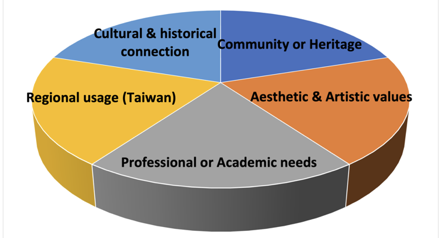
Why does OKCMLI teach traditional Chinese characters? Why do you learn traditional Chinese characters? Choosing traditional over simplified often depends on personal goals, regional focus, or cultural appreciation. Cultural and Historical Connection: Traditional characters are deeply tied to Chinese history, literature, and classical texts. Scholars, historians, or enthusiasts of Chinese culture may learn them to engage with ancient works, calligraphy, or historical documents in their original form. Community or Heritage: Native speakers or those with family ties to regions using traditional characters may learn them to maintain cultural identity or communicate with relatives. Regional Usage: Traditional characters are used in places like Hong Kong, Macau, and Taiwan. People living in or interacting with these regions—whether for work, study, or personal ties—learn them to communicate effectively and navigate daily life. On the flip side, simplified characters are more common in mainland China and Singapore, designed for faster writing and higher literacy rates. Professional or Academic Needs: Some fields, like sinology, linguistics, or translation, require knowledge of traditional characters to access primary sources or cater to specific audiences. For example, academic research might involve texts predating simplified characters. (We may skip the last two reasons.) Aesthetic and Artistic Value: Traditional characters are often seen as more visually intricate, making them appealing for calligraphy, art, or design. Artists and hobbyists may study them for their aesthetic qualities. Personal Challenge or Preference: Language learners may choose traditional characters for the challenge or because they find them more authentic or expressive. Some prefer them for their etymological clarity, as they often retain more components hinting at meaning or pronunciation.
 okcmli.org